Recognizing When to Reach Out to a Plumber: Signs You Can't Ignore for Household Upkeep
Homeowners often fail to notice subtle signs that indicate plumbing issues. Persistent slow drains, dripping faucets, and unexplained water stains may seem trivial, but they can indicate deeper problems. Ignoring these signs can lead to significant expenses and elevated expenses. Understanding when to reach out to a plumber is crucial for sustaining a properly operating plumbing system. What happens when these issues escalate? The consequences might be more damaging than one expects.
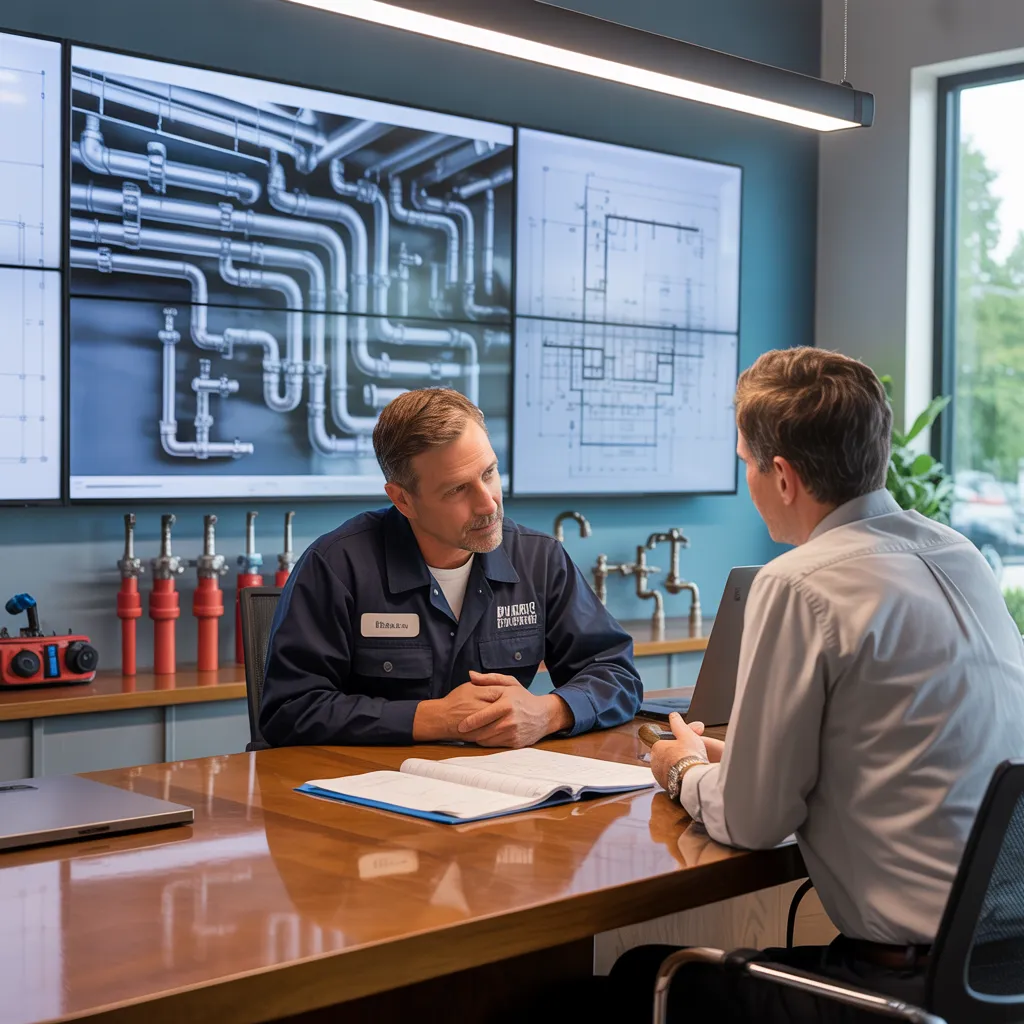
Typical Plumbing Problems You Shouldn't Ignore
When homeowners face plumbing malfunctions, they often underestimate the risk level of the problems. Common plumbing issues such as slow drains, dripping faucets, and running toilets may seem insignificant initially, but they can lead to significant damage over time. A slow drain, for instance, can reveal buildup in the pipes, which may in time cause a stoppage. Dripping faucets not only waste water but can also suggest failing components or aging fixtures. Running toilets can waste hundreds of gallons of water monthly, resulting in increased expenses. Ignoring these signs can lead to more comprehensive repairs and greater expenses. Homeowners should be aware of these typical issues and resolve them promptly. Consulting a qualified plumber can provide remedies that prevent extra issues, ensuring the long-term function of the plumbing system and the structural soundness of the home.
Signs of Secret Leaks: How to Identify Them
Secret leaks can pose a considerable hazard to a home's drainage system, often staying hidden until they lead to serious damage. Homeowners should be vigilant for different indicators that point to a undetected leak. One standard warning is unusual rises in billing amounts, which may signal water drainage. Additionally, wet areas on ceilings, walls, or floors can signal water seepage. Mold growth is another important sign, as it commonly thrives in damp environments from leaks. It is also vital to check for water gathering in crawl spaces or basements, which can signal a substantial leak. Homeowners should heed for noises of water running when fixtures are closed, as it can indicate a hidden leak. Finally, shifts in water pressure when in use may also indicate underlying plumbing issues. Timely identification of these clues can aid prevent significant expenses and major damage.
What That Unpleasant Odor Indicates About Your Plumbing System?
A bad smell emanating from plumbing can signal various underlying issues that require immediate attention. Commonly, a foul odor may indicate a clogged drain, where food particles and waste accumulate, leading to bacterial growth. This not only produces unpleasant smells but can also contribute to potential health hazards.
Another source of bad odors may be a dry trap. If a sink or floor drain hasn't been used for some time, the water in the trap can evaporate, allowing sewer gases to escape into the home. Additionally, a more serious issue could involve a broken sewer line, which can lead to significant structural damage and health risks.
Residents should never dismiss these smells, because they typically suggest complications that could intensify if ignored. Quick service from an experienced plumber can aid in pinpointing the source and stopping extra difficulties.
Understanding Changes in Water Pressure
The causes of variations in water pressure can often perplex homeowners, as these alterations can indicate different plumbing issues.
Frequently changing pressure amounts might suggest deeper system issues, like rusty pipes or lime accumulation. Property owners must observe the uniformity of water movement; if it turns unpredictable, it could be necessary to look deeper.
Additionally, changes in water pressure can affect appliances and fixtures, leading to reduced efficiency or even damage over time. Being aware of these signs allows homeowners to address potential problems early, preventing more significant repairs and ensuring a reliable plumbing system. When in doubt, consulting a plumber can provide clarity and necessary solutions.
Odd Sounds: What Your Pipes Are Revealing?
Have residents ever stopped to pay attention to the peculiar sounds coming from their pipes? These acoustic indicators regularly function as essential signs of concealed plumbing problems. Gurgling tones may point to a clog in the drain, while pounding sounds, called water hammer, might reveal high water pressure or detached pipes. A hissing sound could suggest a fracture, which, if ignored, might create more considerable harm. Whistling or shrieking may indicate trouble with the water valve or faucet. Every one of these noises symbolizes a type of signal from the plumbing arrangement, encouraging residents to examine further. Overlooking these cautions could create heavy expenditures and hassle. Consequently, noticing and fixing these peculiar sounds quickly can preserve duration, cash, and work down the line. Residents must keep watchful and think about phoning a plumber if these disturbing sounds turn recurrent or bothersome.
Recognizing Water Damage Before It's Too Late
Water damage often remains hidden until it becomes a significant issue. Homeowners must stay alert for unexplained water stains, signs of mold growth, and musty odors, as these reveal hidden issues. Catching these indicators early prevents costly repairs and further damage.
Unfamiliar Water Patches
Unexplained water stains on walls and ceilings can be a silent warning sign of hidden plumbing problems. These stains may appear as dark patches or discoloration, often indicating leaks from plumbing or roof damage. Homeowners should remain attentive to the size, shape, and location of these stains, as they may indicate how serious the issue is. If the stains persist or expand, it could indicate a more serious issue that requires professional intervention. Overlooking these indicators can result in additional harm, such as structural damage or higher restoration expenses. Taking prompt action is crucial; contacting a plumber can assist in locating the source of the leaks and prevent additional complications, ensuring the home remains safe and structurally sound.
Mold Development Signs
Unexplained water stains frequently result in more serious concerns, such as mold growth. Homeowners should remain vigilant for signs that mold might be developing. Indicators include discolored patches on floors, walls, or ceilings, typically showing in green, black, or white tones. Furthermore, humid or damp conditions can exacerbate mold growth, particularly in areas with poor ventilation, like bathrooms and basements. Be mindful of peeling wallpaper or paint, as these can signal underlying moisture issues. Residents must also note moisture building up on surfaces or windows, that could signal excessive humidity levels. Promptly addressing these signs is vital to prevent additional deterioration and guarantee a safe living environment.
Damp Smells Found
A pervasive mustiness can serve as an early warning sign of concealed water problems within a home. When occupants detect these odors, it typically signals moisture buildup in areas like basements, attics, or behind walls. Musty smells may arise from mold growth or damp materials, both of which indicate the need for immediate attention. Ignoring these odors can lead to greater structural damage and health risks. Residents should examine where the odor is coming from, seeking leaks, water stains, or condensation. If the problem persists or is beyond their expertise, contacting a plumber is essential. Expert help can pinpoint and fix the root cause, ensuring a safe and healthy living environment.
Popular Questions
How Much Will You Generally Spend to Hire a Plumber?
Typically, getting a plumber runs between documentation $45 and $200 per hour, depending on considerations such as geography, project difficulty, and the plumber's experience. Supplemental costs may be charged for after-hours service or specialized work.
Should I Attempt Plumbing Issues Myself or Always Call a Professional?
Whether you must repair plumbing problems yourself or engage a plumber is contingent on how intricate the task is. Minor work might be manageable, but significant problems usually require expert knowledge to avoid extra damage and guarantee security.
What Kinds of After-Hours Plumbing Can You Access 24/7?
24/7 plumbing work offered 24/7 typically cover leak repair, drain clog cleaning, pipe burst restoration, and water heating problems. These options provide quick response in case of plumbing emergencies, avoiding additional damage and reestablishing operation swiftly.
What Actions Can I Take to Avert Drainage Issues?
To stop plumbing concerns, consistent care is vital. This includes inspecting for leaks, maintaining proper drainage, stopping clogs by exercising caution with debris, and planning regular inspections with specialists to address possible issues in advance.
Do Plumbing Companies Provide Assurances on Jobs?
Many plumbing services include assurances on projects, promising repairs remain covered for a set period. Such guarantees provide homeowners security, shielding against future complications connected to the work.